
In an age where wellness is prioritized, achieving a balanced fitness routine has become essential for maintaining physical health and mental clarity. Holistic fitness emphasizes integrating various forms of exercise, catering to physical, emotional, and social aspects of well-being. This article explores the components of holistic fitness and how to create a well-rounded routine that nourishes the body and mind.
Understanding Holistic Fitness
Holistic fitness goes beyond traditional exercise regimens, focusing on the interconnectedness of physical activity, mental health, and social connections. It encourages individuals to adopt diverse exercise modalities to enhance overall well-being. By blending cardiovascular, strength, flexibility, and mind-body practices, you can cultivate a more sustainable and enjoyable approach to fitness.
Cardiovascular Exercises: Building Endurance and Heart Health
Cardiovascular exercises, or aerobic activities, are crucial for improving heart health and stamina. Engaging in activities such as running, cycling, swimming, and dancing can significantly benefit your cardiovascular system and overall fitness.
Running and jogging are straightforward yet effective ways to get your heart pumping. These activities can be tailored to your fitness level, whether you prefer a gentle jog or an intense sprint. Incorporating interval training—alternating between high and low-intensity efforts—can maximize your cardiovascular benefits and enhance endurance.
Cycling, whether indoors on a stationary bike or outdoors on scenic trails, is another excellent way to improve heart health. It provides a low-impact workout that strengthens leg muscles while also boosting stamina. Joining a cycling group can add a social element, making your workout more enjoyable and motivating.
Swimming offers a full-body workout that is easy on the joints, making it suitable for individuals of all fitness levels. The water provides resistance, helping to build muscle while also promoting cardiovascular fitness. Engaging in water-based workouts can be refreshing, especially during warmer months, and offers a unique way to relieve stress.
Dancing is often seen as a fun pastime, but it serves as an excellent cardiovascular workout. Dance classes, ranging from Zumba to hip-hop, allow individuals to express themselves while simultaneously improving heart health and coordination. The social aspect of dance can foster friendships and create a sense of community.
Strength Training: Enhancing Muscular Health
Strength training is vital for building muscle, enhancing metabolism, and supporting bone health. It includes various forms of resistance training, such as weightlifting, bodyweight exercises, and resistance band workouts.
Weightlifting, whether using free weights or machines, allows for targeted muscle training. Incorporating compound exercises, which engage multiple muscle groups, can maximize efficiency and effectiveness. Proper technique is essential, so consider working with a trainer, especially if you’re new to weightlifting.
Bodyweight exercises, like push-ups, squats, and lunges, are effective for building strength without the need for equipment. These exercises can be done anywhere and are excellent for beginners or those looking to maintain strength on the go. They promote functional fitness, which is essential for everyday activities.
Resistance band workouts are versatile and provide an effective way to enhance strength. Resistance bands come in various levels of tension, allowing individuals to tailor their workouts. They can easily be integrated into other exercise routines or used for rehabilitation purposes.
Flexibility and Mobility: The Key to Longevity
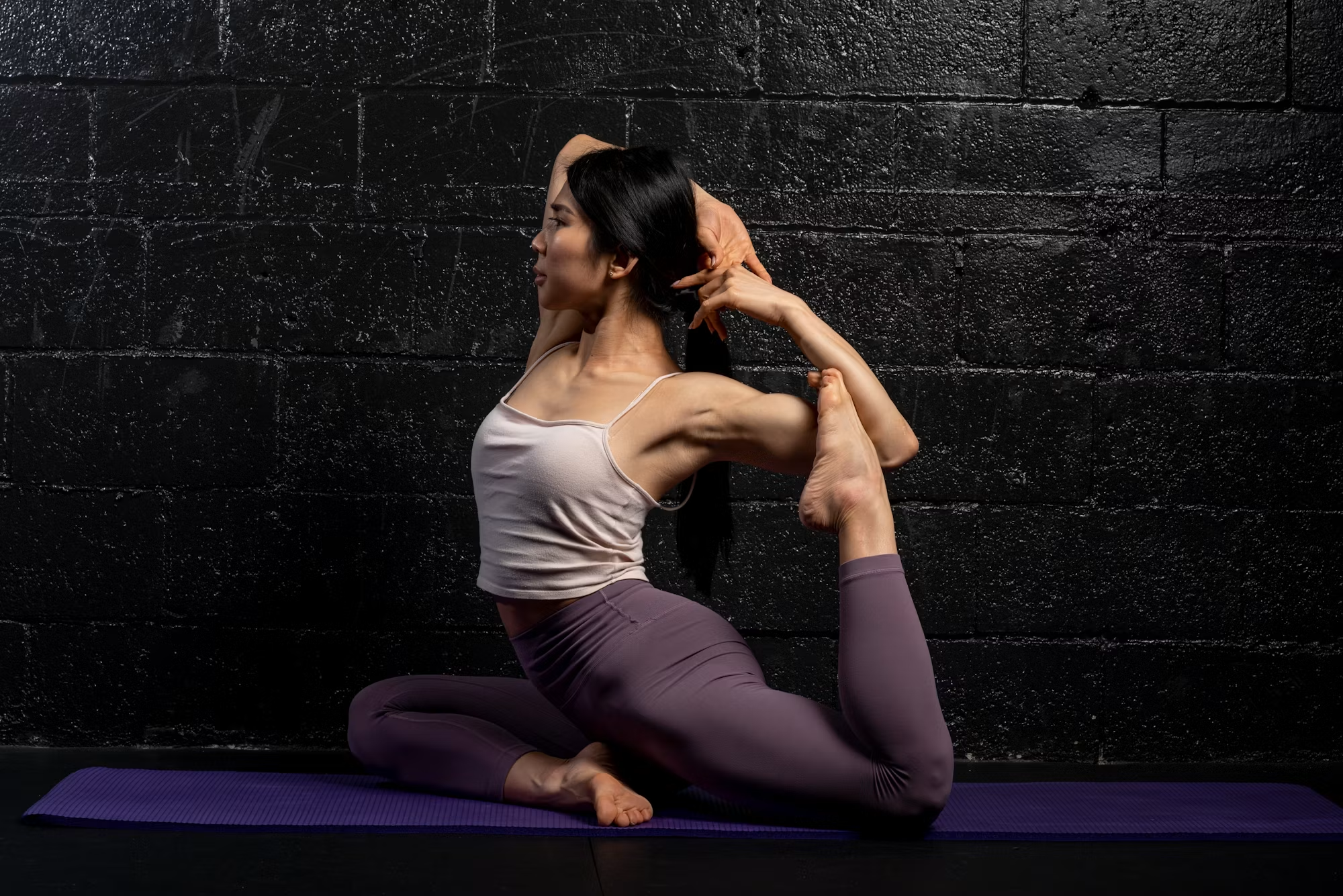
Flexibility and mobility are often overlooked in fitness routines, yet they play a vital role in overall health. Incorporating flexibility training can improve range of motion, reduce the risk of injuries, and enhance recovery. Activities like yoga and Pilates are excellent for developing flexibility and core strength.
Yoga combines physical postures, breathing exercises, and mindfulness, promoting flexibility and mental clarity. It can be adapted to suit all fitness levels and offers numerous styles, from restorative yoga to more vigorous practices. Regular yoga practice can improve balance, strength, and overall well-being.
Pilates emphasizes controlled movements that strengthen the core and improve flexibility. This method is beneficial for enhancing posture and stability, making it a great complement to other forms of exercise. Pilates classes are widely available and can be adjusted to meet individual needs.
Static stretching, performed after workouts, is essential for maintaining muscle flexibility and promoting recovery. Holding stretches for 15-30 seconds can help alleviate muscle tension and enhance overall mobility.
Mind-Body Practices: Cultivating Inner Peace
Incorporating mind-body practices into your fitness routine is crucial for emotional well-being. Activities such as Tai Chi and Qigong promote relaxation, balance, and mental focus. These practices encourage a strong connection between physical movement and mental clarity, enhancing overall wellness.
Tai Chi involves slow, deliberate movements that promote relaxation and balance. Often described as “meditation in motion,” Tai Chi can help reduce stress while improving physical strength. The graceful flow of movements makes it accessible to individuals of all ages.
Qigong combines movement, breathing, and meditation, offering a holistic approach to health. Practicing Qigong can enhance energy flow, promoting relaxation and mental clarity. This practice is gentle and adaptable, making it suitable for everyone.
The Role of Outdoor Activities
Embracing outdoor activities can elevate your fitness routine while providing an opportunity to connect with nature. Activities such as hiking, kayaking, and rock climbing allow individuals to enjoy the great outdoors while reaping the benefits of exercise.
Hiking is a fantastic way to combine cardiovascular exercise with the beauty of nature. Exploring trails not only improves fitness but also promotes mental clarity and relaxation. The tranquility of nature can be rejuvenating, offering a break from daily routines.
Kayaking offers an excellent upper-body workout while allowing individuals to enjoy scenic waterways. Paddling can be both a refreshing and challenging experience, providing a unique way to stay fit.
Rock climbing, whether indoors or outdoors, provides a full-body workout that enhances strength, endurance, and problem-solving skills. This adventurous activity can be exhilarating, making fitness an exciting journey.
Creating Your Balanced Routine
To cultivate a holistic fitness routine, consider the following steps:
1. Assess Your Goals: Determine what you want to achieve with your fitness routine, whether it’s building strength, improving cardiovascular health, or enhancing flexibility.
2. Diversify Your Activities: Incorporate a mix of cardiovascular, strength, flexibility, and mind-body exercises to ensure a well-rounded approach.
3. Schedule Regular Workouts: Consistency is key. Create a schedule that allows you to engage in various activities throughout the week.
4. Listen to Your Body: Pay attention to how your body feels during and after workouts. Adjust your routine as needed to prevent burnout or injury.
5. Stay Social: Engage with friends, join classes, or participate in group activities. This can enhance motivation and make your fitness journey more enjoyable.
Conclusion: Embrace the Journey
Adopting a holistic approach to fitness is a rewarding journey that nurtures both body and mind. By embracing a diverse range of exercises, you can achieve a balanced routine that supports your overall well-being. Remember, fitness is not just about the destination; it’s about enjoying the journey, celebrating progress, and fostering a lifelong commitment to health and vitality.